

Uterine fibroids affect more than 226 million women globally, making them one of the most common gynecologic conditions. Although these benign uterine tumors can cause heavy menstrual bleeding, prolonged periods, pelvic pain, abdominal bloating, anemia, and reproductive challenges, millions of women continue to believe these symptoms are simply a normal part of life. That misconception remains one of the greatest barriers to timely diagnosis and treatment, including not knowing about non-surgical options such as uterine fibroid embolization (UFE).
Uterine fibroids affect more than 226 million women globally, making them one of the most common gynecologic conditions.
Uterine Fibroid Awareness Month has helped bring national attention to the condition, additional states have established official awareness initiatives, research funding and legislation continue to grow, and public figures have openly shared their own fibroid journeys. These efforts have encouraged more women to recognize their symptoms and seek medical care. Yet awareness of fibroids is only part of the equation. Many women still are not informed about the full range of available treatment options.
Treatment awareness matters because women cannot ask about procedures they have never heard of. When patients understand that multiple evidence-based treatment options exist—including medications, myomectomy, hysterectomy, radiofrequency ablation, Acessa, Sonata, and UFE—they are better equipped to have informed conversations with their healthcare providers.
Key Article Takeaways
Fibroids affect more than 226 million women worldwide.
Many women are unaware of all available treatment options.
UFE is a minimally invasive alternative to surgery for appropriate candidates.
Referral patterns and geography continue to influence access.
Education and awareness remain critical to improving equitable care.
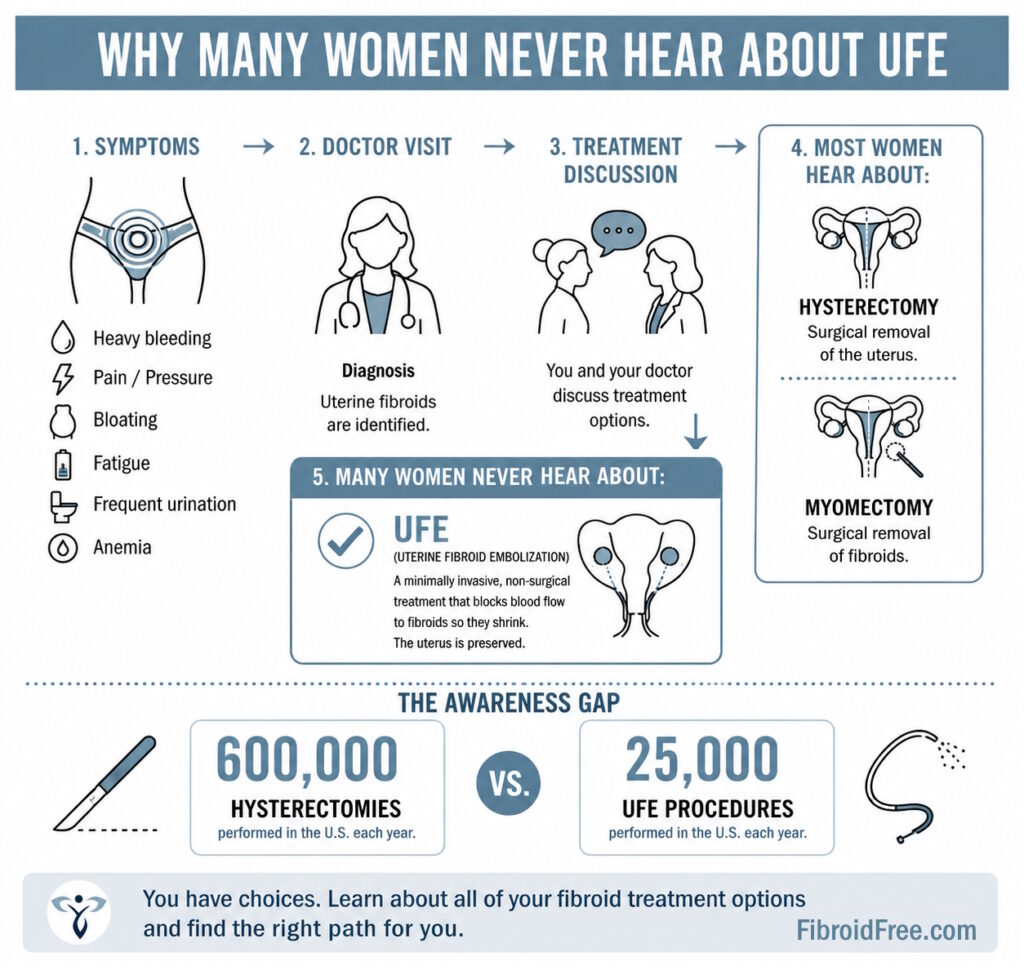
Uterine fibroid embolization (UFE), a minimally invasive procedure, is not the only treatment option for uterine fibroids, nor is it appropriate for every patient. However, it has become an established, evidence-based alternative to surgery, offering excellent long-term outcomes, high patient satisfaction, and the ability to preserve the uterus while avoiding the risks and recovery associated with major surgery. Despite this, research consistently shows that awareness and utilization of UFE remain disproportionately low among certain populations. Simply put, too many women never learn that this treatment exists or are never referred to a physician who offers it. The result is a striking disparity: while approximately 600,000 hysterectomies are performed in the United States each year, only about 25,000 UFE procedures are performed annually.
UFE and Inconsistent Referral Patterns and Awareness Gaps
If a woman is a viable candidate and is not limited to surgery as her only option, UFE—sometimes called uterine artery embolization (UAE) for fibroids—is a desirable alternative. UFE is performed by a board-certified interventional radiologist using image-guided techniques. Rather than physically removing fibroids with invasive, bloody surgical incisions, uterine fibroid embolization (UFE) blocks blood flow to the fibroids by occluding nonessential blood vessels. Without their blood supply, fibroids shrink over time, often relieving symptoms such as heavy menstrual bleeding, pelvic pressure, and frequent urination while preserving the uterus.
Despite these benefits, UFE is not recommended as much as it could be. In fact, many women feel like a hysterectomy is advised more than alternatives like UFE. Several studies support this.
Did you know? Research has found many women with fibroids have never heard of UFE—even some women already diagnosed with fibroids.
According to a study published in the American Journal of Obstetrics & Gynecology, as many as 1 in 5 women in the United States whose doctor recommended a hysterectomy do not need one. Meanwhile, the same researchers found that 37.7% of women included in the study had no documentation indicating they tried alternative treatment before undergoing a hysterectomy.
Additionally, a 2017 Harris Poll found that 28% of respondents had never heard of uterine fibroids, 57% did not think they were at risk of fibroids, and 19% believed fibroids to be cancerous and require a hysterectomy. This survey also found that approximately 70% of women aged 18 to 34 years had never heard of UFE, including a surprising 44% of women with fibroids. Of those who had heard about uterine fibroid embolization, only 27% found out about it from their obstetrician-gynecologist.
This is not because doctors have a hidden agenda. Some doctors are taught that the uterus is a disposable organ. Once a woman is finished having children, if the uterus causes any problems, they believe it should be removed. Additionally, the presence of the uterus allows the possibility of a woman developing cervical cancer or endometrial cancer. Therefore, improving awareness among both healthcare providers and patients may represent one of the most effective ways to address disparities.

A 2017 Harris Poll found that 28% of respondents had never heard of uterine fibroids, 57% did not think they were at risk of fibroids, and 19% believed fibroids to be cancerous and require a hysterectomy. This survey also found that approximately 70% of women aged 18 to 34 years had never heard of UFE, including a surprising 44% of women with fibroids.
UFE Disparities in Rural Healthcare Extend Beyond Awareness
The issue becomes even more concerning when awareness gaps intersect with broader healthcare disparities. A nationwide analysis published in JAMA Network Open examined more than 271,000 uterine fibroid treatment encounters between 2016 and 2022, and researchers found that uterine fibroid embolization accounted for only 3.5% of all fibroid interventions. By comparison, hysterectomy was used 73.4% of the time.
What was most striking about this study was the notable differences in which treatments were used across racial, ethnic, socioeconomic, and geographic groups. More specifically, where a patient lives and their race may influence access to minimally invasive fibroid treatment. For instance:
- Hispanics were less likely to undergo uterine fibroid embolization
- Rural patients didn’t receive UFE at the same rate as women in urban healthcare settings
Another study in the Journal of Vascular and Interventional Radiology supported these claims, stating that the scarcity of medical care in rural areas and the concentration of embolization in select counties contribute to limited access to UFE. Outreach solutions, including targeted policies, referral strategies, telehealth, and collaborations between the community and specialized hospitals, are needed to promote equitable access to UFE.
A nationwide analysis published in JAMA Network Open examined more than 271,000 uterine fibroid treatment encounters between 2016 and 2022, and researchers found that uterine fibroid embolization accounted for only 3.5% of all fibroid interventions. By comparison, hysterectomy was used 73.4% of the time.
Did You Know UFE and Surgical Options Can Work Together?
Even when a woman will eventually need her uterus removed because of uterine cancer or another diagnosis, some providers do not realize that uterine fibroid embolization can be utilized prior to a hysterectomy or myomectomy to make removal a safer process. With a hysterectomy, the uterus is removed. With a myomectomy, the uterus is saved. Both are invasive and highly bloody operations that can require blood transfusions to achieve a successful outcome for the patient.
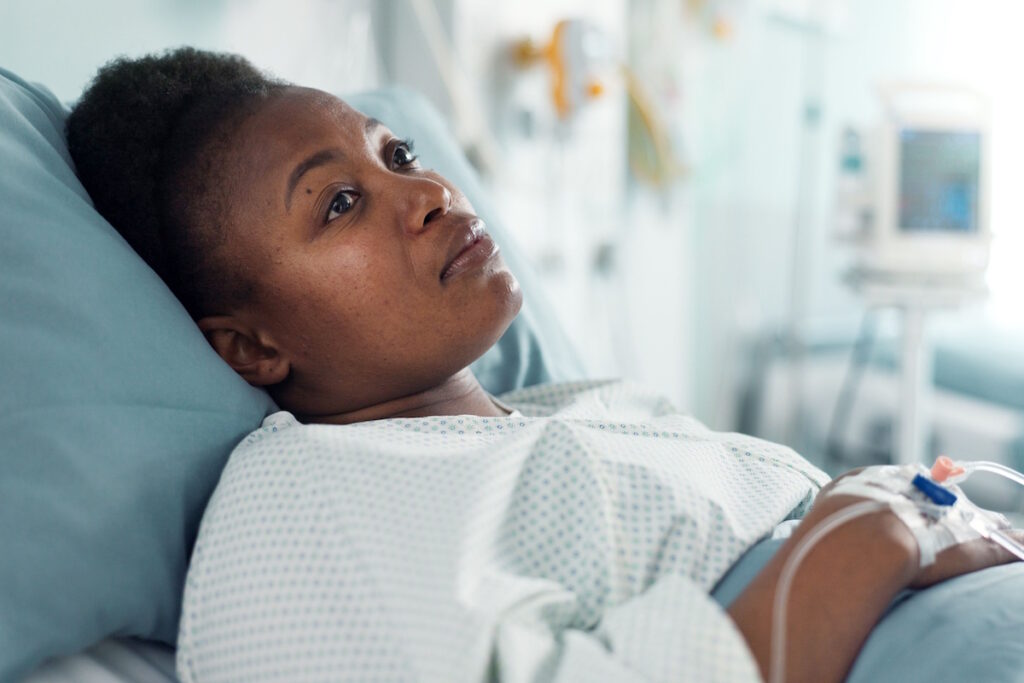
Research is limited on exactly how much blood is lost during these procedures, but a few sources, including Brigham and Women’s Hospital, state that the average blood loss during a vaginal and laparoscopic hysterectomy is roughly 50-100 ml. This is equal to the amount of blood lost during three normal menstrual cycles. Compounding this issue are the uterine fibroids themselves, which rely on a healthy blood supply to grow. If a patient has multiple large fibroids in and around the uterus, this creates a more technically challenging and bloodier procedure.
Additional complications that can arise from such a technically challenging case include:
- Infection
- An injury to the bowel or bladder
- Blood clots (deep vein thrombosis)
Marginalized Populations Continue To Lose Out on UFE Benefits
Regarding differences in race and ethnicity, an increasing number of doctors are speaking out about marginalized populations and people of color continuing to be denied the reproductive freedoms available to other women and entitled by all. An article by Endovascular Today stated that not informing women who have uterine fibroids about uterine fibroid embolization reflects what has happened historically to cause people of color to mistrust the medical establishment and other forms of authority that continue to perpetuate health care disparities. The article mentioned a landmark study from the Mayo Clinic in 2013 that stated that many of the women in its study waited more than three years for treatment, and 25% waited over five years because they weren’t aware of nonsurgical treatment options like UFE.
Moving Toward More Equitable Access to UFE
To address these disparities and make uterine fibroid embolization a more recognized and referred treatment option, physicians, the media, and various advocacy groups must focus on:
- Increasing public education about available treatment options
- Creating greater awareness of UFE among healthcare providers
- Expand access to services in underserved communities
- Foster community outreach initiatives
- Improve healthcare infrastructure in rural regions
- Create stronger collaborations between PCPs, OBGYNs and interventional radiologists
Fibroid Institute Offers Revolutionary Fibroid Treatment
UFE, as a non-surgical fibroid treatment, has been around for decades. Yet studies consistently show UFE awareness and utilization remain disproportionately low among certain female populations. In simpler language, too many women don’t know about it and aren’t being given that option. As a result, it’s no surprise that while 600,000 hysterectomies are performed annually, only 25,000 UFE procedures are performed annually.
Women experiencing heavy periods, pelvic pressure, bulk symptoms, anemia, or rapidly growing fibroids may be candidates for UFE. Determining eligibility depends on factors including fibroid size and location, symptom severity, future fertility goals, and overall health.
The best fibroid treatment varies from woman to woman and must be based on symptoms, fibroid size and location, age, reproductive goals, medical history, and personal preferences. So, whether uterine fibroid embolization is the right option for you our team of fibroid doctors is always on hand to partner with you and your PCP or OBGYN to determine the best course of action.
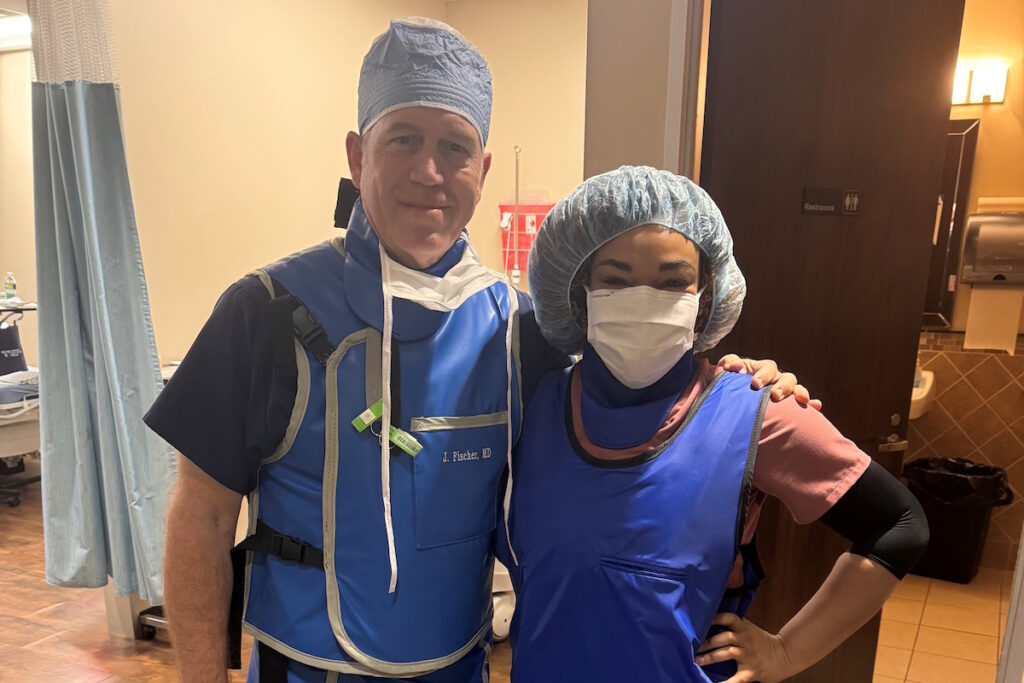
At the Fibroid Institute, we set the standard of care for advanced fibroid treatment and help women achieve a symptom-free life, able to return to the activities they enjoy. Our experts are among the top specialists for uterine fibroid treatment. We help women who are experiencing painful fibroid issues get back to the lives they were meant to live.
Most major medical insurance providers cover the cost of UFE. Request a free 10-15-minute phone screening to determine if you are eligible. If you qualify for UFE after the screening, you can schedule your on-site or telehealth consultation. Get started now by calling our Dallas, Texas clinics at 214-838-6440, Houston, Texas clinics at 713-903-3733, South Carolina clinics at 843-628-4290 or complete the form below.
"*" indicates required fields
This information is not a substitute for professional medical advice. Prior to starting any new treatment or if you have questions regarding a medical condition, always seek the advice of your doctor or other qualified health provider.
The Fibroid Institute serves the Charleston, South Carolina, Dallas/Fort Worth, Texas and Greater Houston, Texas metro areas including Addison, Allen, Arlington, Bedford, Bellaire, Carrollton, Cedar Hill, Charleston, Clear Lake, Cockrell Hill, Conroe, Craig Ranch, Cypress, Dallas, DeSoto, Duncanville, Euless, Fort Worth, Frisco, Garland, Grand Prairie, Highland Park, Houston, Hurst, Hutchins, Irving, Katy, Kingwood, Lancaster, League City, McKinney, Mesquite, Mt. Pleasant, Murrells Inlet, Orangeburg, Park Cities, Plano, Richardson, Sherman, Spring, Stafford, Sugar Land, Summerville, Texas City, The Woodlands, Universal City, University Park, Walterboro, Webster and more.
*Patient names and/or photos may be changed to protect patient confidentiality.
