

Abby* has always prided herself on being able to handle everyday stress. From chaotic work schedules to her dogs constantly barking while the baby is sleeping or having to be a taxi driver for her kids’ extracurricular activities, she always seems to take it all in stride. But lately, Abby has been experiencing weekly panic attacks and sometimes daily anxiety. At first, she dismissed her lack of sleep, overwhelming sense of dread, shortness of breath, and racing heart as nothing more than the stress of daily life finally catching up with her. However, after being diagnosed with uterine fibroids a few months ago, she has begun to wonder whether there might be a connection between her symptoms and her condition. Can fibroids really trigger panic attacks and anxiety?
The short answer is yes … and no. Fibroids do not directly trigger panic attacks, anxiety, or even stress. That said, the connection between uterine fibroids and those overwhelming feelings is real. The emotional and physical toll of fibroid symptoms—heavy bleeding, painful cramping, bloating, and more—can heighten stress and anxiety. In turn, that stress influences hormone levels, thus making fibroid symptoms worse and creating a vicious cycle of pain and emotions.
With April as National Stress Awareness Month, and May as Mental Health Awareness Month, the topic of breaking the anxiety-stress-pain cycle is as timely as it is important. Granted, leading a less stressful life will not prevent fibroids. But many women report that these feelings disappear after fibroid treatment. Additionally, many say their symptoms were less severe after treatment because of how they were able to manage their stress.
Do These Signs of Panic Attacks, Anxiety, and Stress Sound Familiar?
- Racing or pounding heartbeat
- Shortness of breath or rapid breathing
- Muscle tension, headaches, or body aches
- Feeling restless, on edge, or irritable
- Overwhelming worry or constant anxiety
- Sudden panic attacks with fear, dizziness, or trembling
- Trouble sleeping or changes in appetite
- Difficulty concentrating or “racing thoughts”
- Feeling detached, out of control, or emotionally drained
What Are Panic Attacks?
We all experience stress. Some of those symptoms are minor, others are major. But the bottom line is that it is normal just to be stressed. According to a survey by the American Psychological Association, a majority of Americans say their stress levels have increased, with around 75% reporting physical or emotional symptoms related to stress. Gallup’s 2023 Global Emotions Report found that nearly one in every two adults is walking through life with a daily undercurrent of tension. That said, chronic stress affects your health in numerous ways, from weakening your immune system to disrupting sleep and digestion and causing an intense feeling of doom by way of panic attacks.

Panic attacks, while not limited to any one group, can feel particularly intense. They are one-time or occasional episodes of intense fear that can strike with little or no warning. The symptoms, which can include everything from chills and trembling to breathing difficulties and a pounding or racing heart, often hit you like a wave, instantly making you feel as though you are losing control—even when there is no clear danger or trigger.
Anyone who has experienced panic attacks—even if just once—will tell you the wave of emotions that hit you can feel all-consuming. As a result, you are left feeling physically drained and emotionally shaken.
Closely related to panic attacks is anxiety, which tends to be more chronic. While panic attacks come in intense bursts, anxiety is a persistent feeling of worry, nervousness, or unease. Anxiety can mirror and even overlap many of the physical symptoms of stress, but it lingers over time.
Anxiety can affect your sleep, concentration, and energy levels. It may also leave you feeling tense or on edge constantly, creating a consistent undercurrent that can be exhausting.
According to a survey by the American Psychological Association, a majority of Americans say their stress levels have increased, with around 75% reporting physical or emotional symptoms related to stress. Gallup’s 2023 Global Emotions Report found that nearly one in every two adults is walking through life with a daily undercurrent of tension.
The Connection Between Panic Attacks and Uterine Fibroids
Panic attacks, anxiety, and daily stress can almost certainly become amplified in the blink of an eye among women with uterine fibroids. And there are several reasons for this:
Life-interrupting symptoms
It is only natural for women to experience panic attacks and constant stress when they have life-interrupting symptoms from uterine fibroids. This is especially true if you have been suffering for years without relief. Fibroid symptoms, whether an inconvenience or have progressed to disabling pain and discomfort, create a constant physical strain that can make you feel hopeless and without control over what happens next. This is especially true if you can no longer focus on being at work without worry, do the things you love, or even get a good night’s sleep.
Fear of a lengthy surgery
Many women with fibroids are told that they will need surgery, such as a hysterectomy or myomectomy. After all, these procedures are common and effective. That said, the idea of surgery—and possibly removing the uterus, a major organ—can be very scary. When it is presented as your “only” option, that can lead to some pretty intense reactions, including but not limited to panic attacks.

Stress and panic attacks can cause fibroids to grow
Uterine fibroids are sensitive to hormone levels—specifically, estrogen and progesterone. Meanwhile, stress is the body’s biochemical response to life challenges, and to handle stress, the brain tells our body to produce extra hormones. As a result, hormone levels rise, which stimulates fibroid growth and causes symptoms to flare up. Stress, panic attacks, and anxiety can trigger fibroids that were once asymptomatic to grow at an alarming rate, press against organs, and result in worsening symptoms.
Chronic stress affects your health in numerous ways, from weakening your immune system to disrupting sleep and digestion and causing an intense feeling of doom by way of panic attacks.
This short list goes to show that fibroids themselves do not directly trigger panic attacks and anxiety. But the mere knowledge that you have them, coupled with having to manage the many symptoms and decide what treatment options are right for you, can create fits of uncontrollable stress, anxiety, and panic attacks. And as your stress mounts, the biochemical response fuels the fire and makes your existing uterine fibroid symptoms worse.
How Can I Manage Panic Attacks and Anxiety?
Many people think that stress, panic attacks, and anxiety are the same thing. They are not. While stress is the body’s reaction to a threat, anxiety and panic attacks are the reaction to the stress.
Below are a few options to consider:
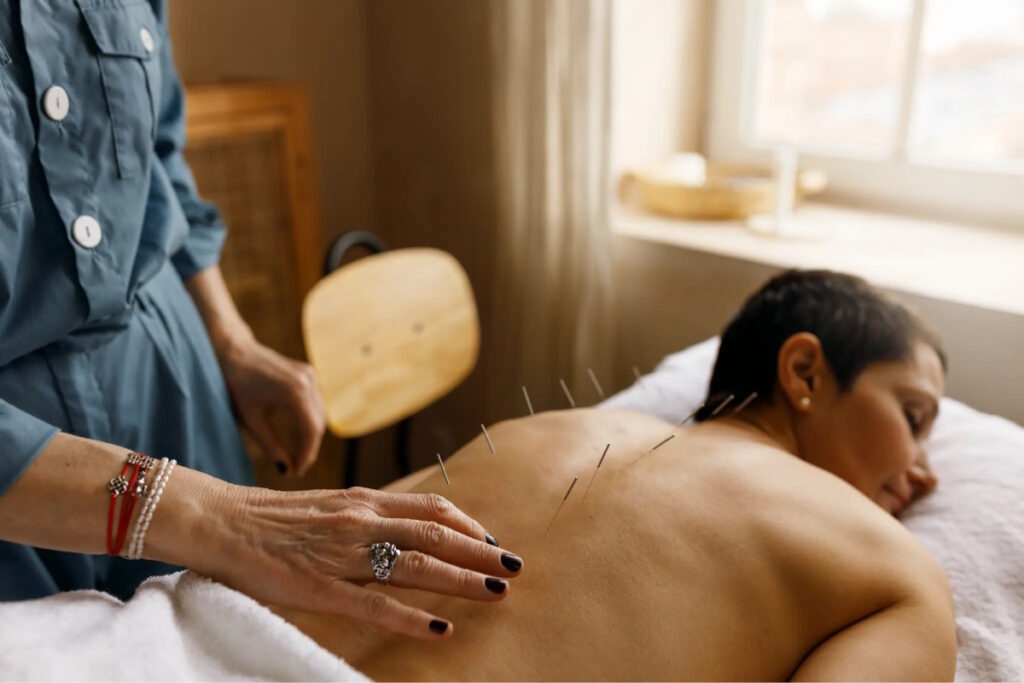
- Relaxation techniques — There are a variety of techniques to consider in slowing your mind and body down physically, mentally, and emotionally. These include deep breathing, meditation, yoga, engaging in enjoyable activities such as working out or listening to calming music. Additionally, massage and acupuncture are two ways to unwind, relax your body, and help reduce panic attacks.
- Lifestyle changes — Stress levels can be improved by making a few lifestyle changes that also help lessen the growth of uterine fibroids. Eat more fruits, especially citrus, and vegetables. Foods such as red, processed meat, salty foods, and certain carbohydrates should be avoided as they contribute to stress and anxiety. These foods also lead to excess weight and fibroid development.
- Develop coping mechanisms — Beyond the fibroids themselves, it is important to take note of stressful triggers in your life and eliminate them as much as possible. When stress is unavoidable, coping mechanisms can help you manage those situations better.
- Have an open, honest conversation with your doctor — Surgery may be the best solution for your unique uterine fibroid journey. But that is not always the case for every woman. If you do not want to have surgery, or you fear the possibility of surgery with a lengthy recovery, talk to your doctor about your fears. Furthermore, ask them if there are any alternative treatment options that will work for your case. Having these open and honest conversations can ease a lot of the anxiety you are feeling.
- Be knowledgeable — To piggyback on the previous tip, remember that knowledge is key. Talk to your doctor, but also do your own research to understand what fibroids are, how they can be treated, and what options make the most sense for you. Seek a second opining if you are unsure about the answers being given. This can help you take control of your situation.
- Social support — There is a community of women who have suffered from fibroids who are more than willing to offer support, encouragement, and answer questions about how to manage stress and panic attacks. Having an outlet to share your emotions can help tremendously in the pursuit of a life without uterine fibroids.

Have You Considered Non-Surgical Treatment for Fibroids?
Fibroids can create plenty of fear of the unknown. How long will the recovery be? How will my body react? Is it safe? Will I be able to have children? While surgery may be the best option for some women, a study published in the American Journal of Obstetrics & Gynecology states that as many as 1 in 5 women in the United States whose doctor recommended a hysterectomy did not need one and that 37.7% of women included in the study did not undergo alternative treatment prior to surgery.
Uterine Fibroid Embolization (UFE) is a revolutionary, low-risk procedure for fibroid treatment that avoids complicated and bloody procedures such as a hysterectomy or myomectomy. Rather than remove fibroids, UFE uses interventional radiology and tiny particles to safely block the blood flow to uterine fibroids. This causes fibroids to shrink and die, fostering a dramatic reduction in symptoms for women.
Additional advantages of UFE at the Fibroid Institute include:
- Over 90% of patients experience significant symptom relief
- Accepted by most major medical insurance providers
- Performed in-office with recovery as short as one week for many patients
- No exposure to the side effects associated with hormonal medications
- Only a small puncture at the wrist — no vaginal access required
- All fibroid physicians are board-certified interventional radiologists
- Procedure typically completed in under an hour
- Each patient receives direct access to their doctor’s personal mobile number
Fibroid Institute Wants To Relieve Your Stress … and Eliminate Your Fibroid Symptoms
One way to manage panic attacks, anxiety, and the stress of your situation is to have an open conversation with your doctor. Many times, women find that they do not need to have surgery at all. Uterine Fibroid Embolization (UFE) is an innovative advanced method of non-surgical fibroid treatment, and the team at Fibroid Institute are among the top fibroid doctors. We help women who are experiencing debilitating fibroid issues get back to the lives they were meant to live.
At the Fibroid Institute, we set the standard of care for state-of-the-art fibroid treatment to help women achieve a symptom-free life. We specialize in UFE because it delivers the best results in the least amount of time and with limited pain. On top of that, we simplify your UFE journey, managing everything from insurance to PCP communication and offering all patients physician-direct access before and after their procedure.
Most major medical insurance providers cover the cost of UFE. With multiple locations, our fibroid clinics help thousands of women avoid fibroid surgery and find relief from their fibroid symptoms. As board-certified interventional radiologists, our fibroid doctors are experts passionate about helping women become #FibroidFree.
Request a free 10-15-minute phone screening to determine if you are eligible. If you qualify for UFE after the screening, you can schedule your on-site or telehealth consultation. Most major medical insurance providers cover the cost of UFE.
Get started now by calling our Dallas, Texas clinics at 214-838-6440, Houston, Texas clinics at 713-903-3733, South Carolina clinics at 843-628-4290 or complete the form below.
"*" indicates required fields
This information is not a substitute for professional medical advice. Prior to starting any new treatment or if you have questions regarding a medical condition, always seek the advice of your doctor or other qualified health provider.
The Fibroid Institute serves the Charleston, South Carolina, Dallas/Fort Worth, Texas and Greater Houston, Texas metro areas including Addison, Allen, Arlington, Bedford, Bellaire, Carrollton, Cedar Hill, Charleston, Clear Lake, Cockrell Hill, Conroe, Craig Ranch, Cypress, Dallas, DeSoto, Duncanville, Euless, Fort Worth, Frisco, Garland, Grand Prairie, Highland Park, Houston, Hurst, Hutchins, Irving, Katy, Kingwood, Lancaster, League City, McKinney, Mesquite, Mt. Pleasant, Murrells Inlet, Orangeburg, Park Cities, Plano, Richardson, Sherman, Spring, Stafford, Sugar Land, Summerville, Texas City, The Woodlands, Universal City, University Park, Walterboro, Webster and more.
*Patient names and/or photos may be changed to protect patient confidentiality.
